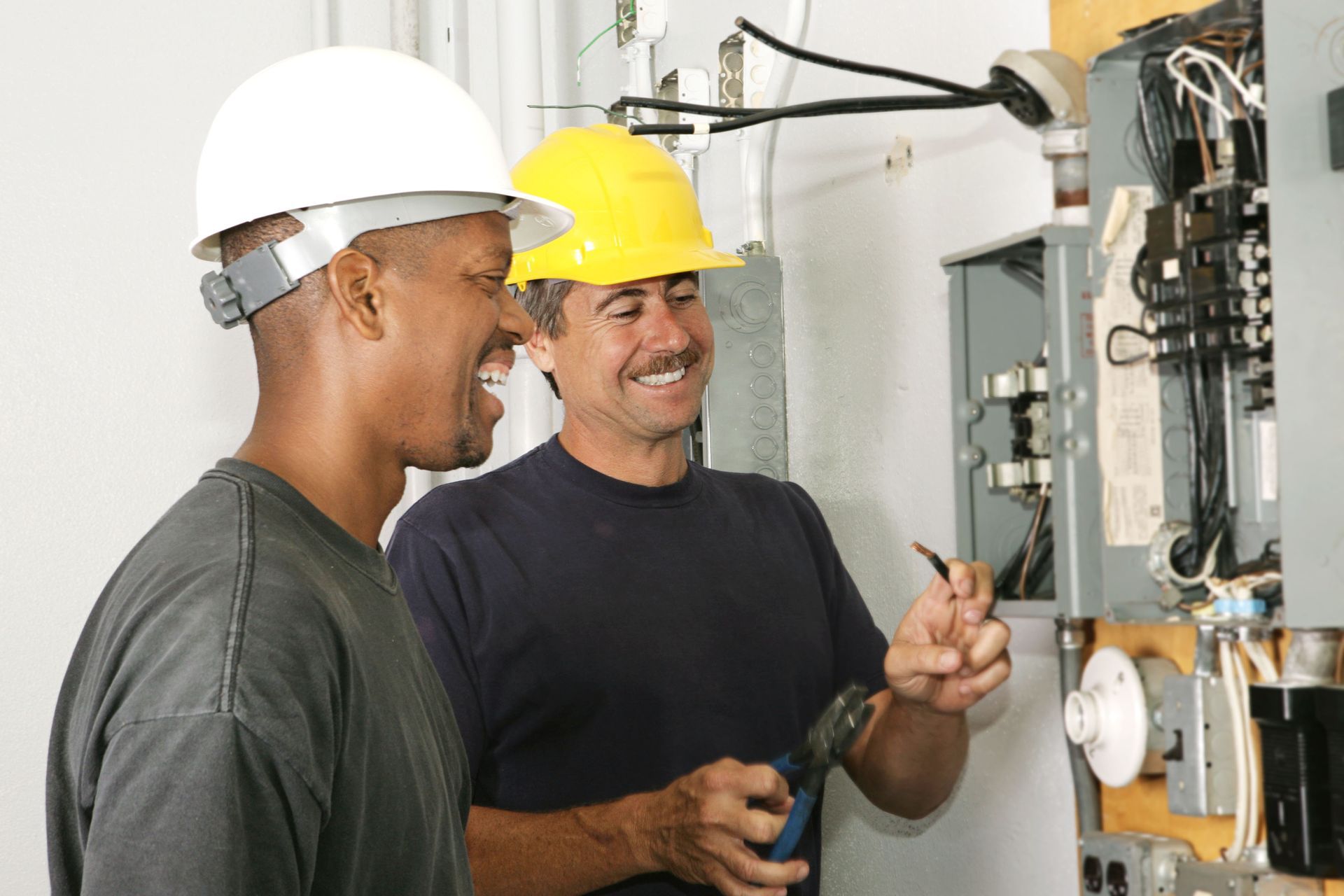
Electrical power makes everyday life comfortable, running our kitchen appliances, entertainment setups, heating units, and lighting fixtures around the clock. Because power flows invisibly behind your sheetrock, it can be easy to take household wiring for granted until something stops working correctly. Minor issues like a single dead plug or a slightly loose switch plate might seem harmless on the surface, but small electrical faults often indicate deeper hazards hiding inside your walls. Learning how to recognize early warning signals keeps your household running smoothly and safeguards your property against unexpected damage.
Postponing critical repairs or trying to handle complicated wiring projects without professional training can lead to severe shocks, ruined electronics, and house fires. Electrical components naturally wear down over decades of steady use, especially in older residences built long before modern families relied on dozens of high-powered gadgets. Taking a proactive approach allows you to address worn-out breakers, damaged lines, and loose connections before they spiral into expensive emergencies. Paying close attention to how your electrical system behaves helps you protect your family and maintain a reliable, energy-efficient living space.
1. Experiencing Frequent Circuit Breaker Trips
A circuit breaker is designed to act as an automatic safety shutoff that cuts power whenever wiring carries too much electrical current. When a breaker trips once after a severe lightning storm or when running multiple hair dryers at the same moment, you can usually reset the lever without worry. However, if the same switch trips repeatedly throughout the week, your electrical system is warning you about a serious underlying problem. Constant tripping typically means that your modern household power demands are simply too heavy for that specific line to handle safely.
Ignoring repeated trips is risky because forced overloads cause internal wires to heat up, slowly melting protective plastic insulation inside your walls. Over time, that hidden heat degrades circuit components, damages connected electronics, and significantly raises the danger of an electrical fire. While you can temporarily unplug countertop appliances to lessen the load, ongoing issues require an expert diagnosis. Bringing in a licensed electrician allows you to balance the circuit loads, replace worn breaker switches, and confirm that your home's wiring can safely deliver the energy your family requires every day.
2. Noticing Flickering Or Dimming Lights
Lighting issues can range from simple bulb loose connections to widespread power delivery faults running through your entire house. If a single table lamp flickers, tightening the bulb or swapping out a damaged lamp cord usually resolves the problem right away. On the other hand, if overhead lights dim across multiple rooms whenever your air conditioner kicks on, or your microwave starts running, your system is struggling with voltage drops. Major appliances pull a heavy surge of current when their motors start up, which pulls power away from neighboring lighting circuits.
Recurring lighting fluctuations often indicate outdated wiring, loose terminal screws, or an undersized main service that cannot keep pace with modern lifestyle habits. Homes with wiring installed several decades ago often suffer from deteriorated connections that create dangerous electrical resistance behind the walls. According to This Old House, homeowners should consider an electrical panel upgrade if their current panel is more than 25 to 30 years old. Scheduling a detailed assessment with a qualified electrician ensures your service panel and branch wiring are modernized to supply steady, uninterrupted illumination throughout your living areas.
3. Detecting Burning Odors Or Outlet Sparks
Few warning signs require more immediate attention than the distinct, pungent smell of burning plastic coming from an outlet or wall switch. This acrid odor means that wires are actively overheating, melting their vinyl jackets, and scorching the surrounding timber framing inside your wall cavities. If you ever detect a burning smell near your electrical fixtures, you should immediately turn off power at the main breaker box and avoid using that area. Never ignore unusual electrical odors, as they almost always point to imminent fire hazards that demand rapid professional intervention.
Similarly, seeing bright sparks leap from a wall receptacle when plugging in a standard cord should never be dismissed as normal wear. While a tiny, momentary static snap can occasionally happen, persistent sparks indicate short circuits, loose wire splices, or internal moisture contamination. Sparks generate extreme localized heat that can ignite nearby insulation, carpet fibers, and wall paneling within seconds. An experienced electrician has the specialized diagnostic equipment needed to trace the source of the short, replace scorched receptacles, and guarantee that current flows safely through your home without sparking.
4. Touching Warm Or Discolored Outlets
A standard wall outlet should always remain completely cool to the touch, regardless of how long your appliances have been running. If you unplug a vacuum or toaster and notice the plastic faceplate feels noticeably warm or hot, your electrical circuit is overloaded. You might also spot subtle brown discoloration, blackened scorch marks, or warped plastic around the plug openings. These physical blemishes demonstrate that electrical current is encountering dangerous resistance, transforming routine power usage into concentrated thermal heat that threatens your home.
Warm receptacles often stem from loose screw terminals, improperly matched wire gauges, or aging internal contact blades that no longer grip appliance plugs firmly. When plugs fit loosely, electricity can arc across the tiny physical gap, generating high heat that slowly bakes the outlet assembly from the inside out. Continuing to use a compromised plug risks melting your appliance cords and triggering wall fires. Having a licensed electrician inspect and replace faulty receptacles restores proper contact tension, brings your outlets up to modern building codes, and provides peace of mind.
5. Hearing Buzzing Or Humming Panels
Your main breaker box and secondary distribution panels should operate in near-total silence while routing power throughout your home. While a faint, barely audible hum can occasionally occur when heavy equipment runs, loud buzzing, clicking, or sizzling noises are clear signs of danger. These harsh sounds typically indicate that a circuit breaker is failing to trip despite carrying dangerous excess current, or that main bus bar connections have worked loose. Whenever electrical connections loosen, current begins jumping across metal components in a hazardous process known as arcing.
Allowing a noisy breaker panel to operate without service puts your entire home at risk of catastrophic equipment failure and widespread power outages. Arcing produces intense heat that can permanently fuse breaker switches, destroy delicate panel interiors, and ignite nearby building materials. Never attempt to remove the protective panel cover yourself, as exposed service lugs carry fatal voltage even when individual breakers are switched off. Consulting a seasoned electrician ensures that failing breakers are swapped out, connection lugs are torqued properly, and your central service hub remains safe.
Paying attention to subtle electrical warning signs is one of the smartest ways to protect your property and ensure your family stays safe. From recurring breaker trips and dimming lights to warm switch plates and noisy panels, your home constantly provides clues when something is wrong with its wiring. Addressing these indicators early prevents small inconveniences from turning into hazardous electrical fires or costly structural repairs. Relying on a qualified professional guarantees that all installations, upgrades, and maintenance tasks satisfy rigorous regional building codes.
Whenever you notice warning signs or simply want to confirm that your older electrical system can handle modern demands, never hesitate to seek help from trusted local professionals. Working with reputable contractors ensures every repair is completed using high-quality materials and proven safety practices. For prompt service, thorough safety inspections, and dependable panel upgrades that keep your property fully protected, turn to the licensed team at Walter Electrical Contractors to schedule your comprehensive home evaluation today.